
When it comes to international freight, the single most impactful decision you will make — the one that shapes cost, speed, reliability, and even your carbon footprint — is the choice between ocean and air. For experienced supply chain professionals, this is a near-automatic calculation. For growing businesses shipping internationally for the first time, it can be genuinely confusing. This guide gives you a clear, practical framework for making the right call, every time.
The Fundamental Trade-Off: Time vs. Money
The core difference between air and ocean freight is simple: air is faster, ocean is cheaper. But the degree to which that trade-off applies to your specific situation depends on a surprisingly large number of variables — including your product’s value-to-weight ratio, your customer’s expectations, your inventory management model, and whether you have time-sensitive market or regulatory deadlines.
As a starting reference point: air freight typically costs 4–6 times more than ocean freight on a cost-per-kilogram basis for equivalent lanes. In exchange, you get transit times measured in days rather than weeks. A shipment from Los Angeles to Shanghai takes 1–3 days by air. By ocean, the same lane takes 14–18 days. Los Angeles to Hamburg: 2 days by air, 25–30 days by ocean.
When Air Freight Is the Right Choice
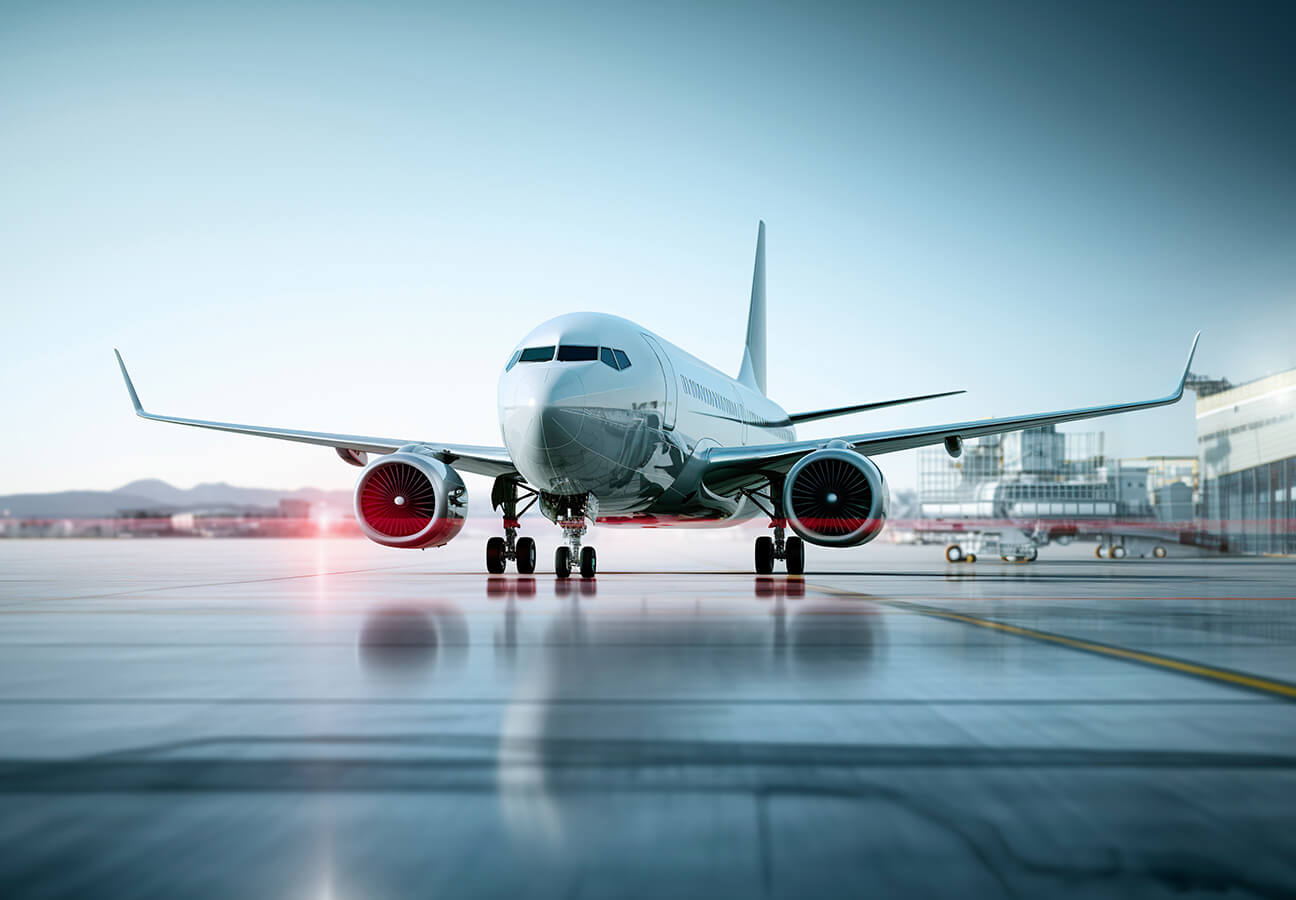
Air freight earns its higher price tag in specific, well-defined scenarios. The first and most obvious is urgency. If a production line is waiting on parts, a store launch needs inventory, or a customer has a hard delivery deadline, the cost of air freight is almost always justified against the cost of delay.
- High value, low weight goods: Pharmaceuticals, semiconductors, luxury goods, and jewelry have high enough value-to-weight ratios that the air freight premium is a small percentage of cargo value — while ocean would tie up significant capital in long transit times.
- Time-sensitive or perishable goods: Fresh produce, cut flowers, live seafood, vaccines, and temperature-sensitive biologics require air freight for obvious reasons.
- New product launches: Brands launching into international markets often use air for the initial inventory push to hit a specific in-market date, then switch to ocean for replenishment.
- Emergency restocking: When an ocean shipment is delayed or a demand spike depletes inventory faster than expected, air becomes the fastest path to getting back in stock.
- Small, lightweight parcels: For shipments under 100 kg, the economy of scale that makes ocean attractive doesn’t apply — air often wins on both cost and convenience.
When Ocean Freight Is the Right Choice
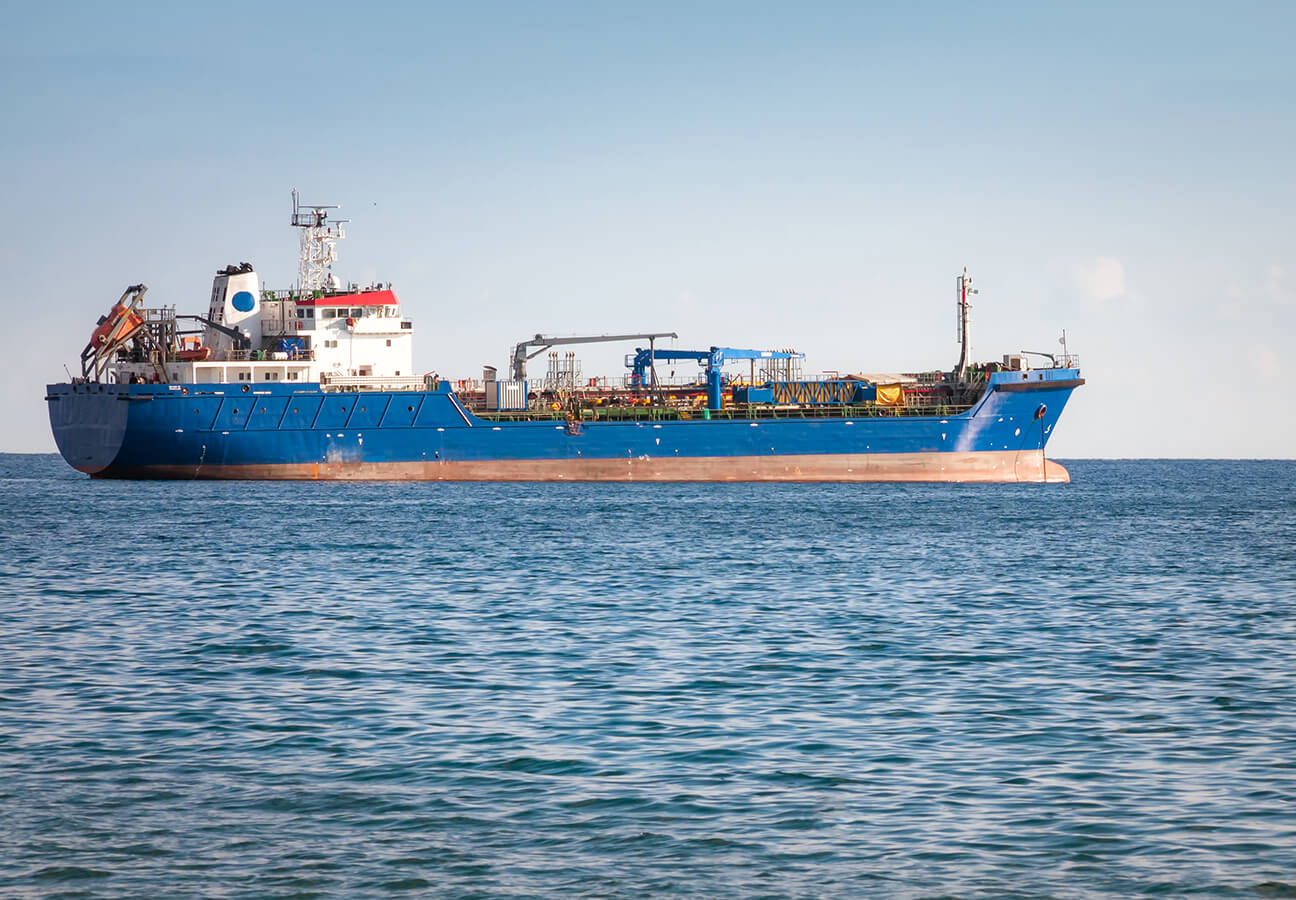
Ocean freight is the foundation of global trade for a reason: it is extraordinarily cost-effective for moving large volumes of goods across long distances. The largest container ships in service today carry over 24,000 TEUs (twenty-foot equivalent units) — enabling a per-unit shipping cost that makes global commerce economically viable for products at every price point.
- Heavy or bulky cargo: Furniture, machinery, building materials, and consumer electronics by the palletload — products where the weight-to-value ratio makes air freight cost-prohibitive.
- Regular, planned inventory replenishment: If you can forecast demand and plan 6–8 weeks ahead, ocean freight eliminates urgency and the associated premium.
- Non-perishable goods with flexible timelines: Apparel, home goods, toys, and most consumer product categories ship primarily by ocean for this reason.
- Full container loads (FCL): Once you’re filling 20-ft or 40-ft containers, ocean freight’s cost advantage over air becomes even more pronounced.
- Sustainability: Ocean freight produces approximately 20–30 times less CO2 per ton-kilometer than air freight. For brands with published sustainability commitments, this matters increasingly to customers and investors.
The Hybrid Approach: Sea-Air Freight
There is a lesser-known third option that occupies the sweet spot between ocean and air: sea-air freight. In this model, cargo travels by ocean from Asia to a transhipment hub (typically Dubai, Singapore, or Hong Kong), then continues by air to the final destination. The result is transit times roughly 50% shorter than pure ocean, at costs roughly 40% lower than pure air.
Sea-air is a sophisticated option that requires careful planning and a freight forwarder with strong transhipment relationships. Smart Delivery’s international team manages sea-air movements regularly, particularly for clients in the apparel, electronics, and consumer goods sectors shipping from Asia to Europe or North America.
Final Thoughts
The air vs. ocean decision is not a one-size-fits-all answer — it is a dynamic calculation that should be revisited regularly as your product mix, market conditions, and supply chain strategy evolve. The best logistics operations use both modes strategically: air for high-value, time-sensitive, or emergency freight; ocean for planned, high-volume, or cost-sensitive inventory. Smart Delivery’s freight team has the expertise to model both options for your specific lanes and recommend the optimal mode mix for your business.



Leave a comment